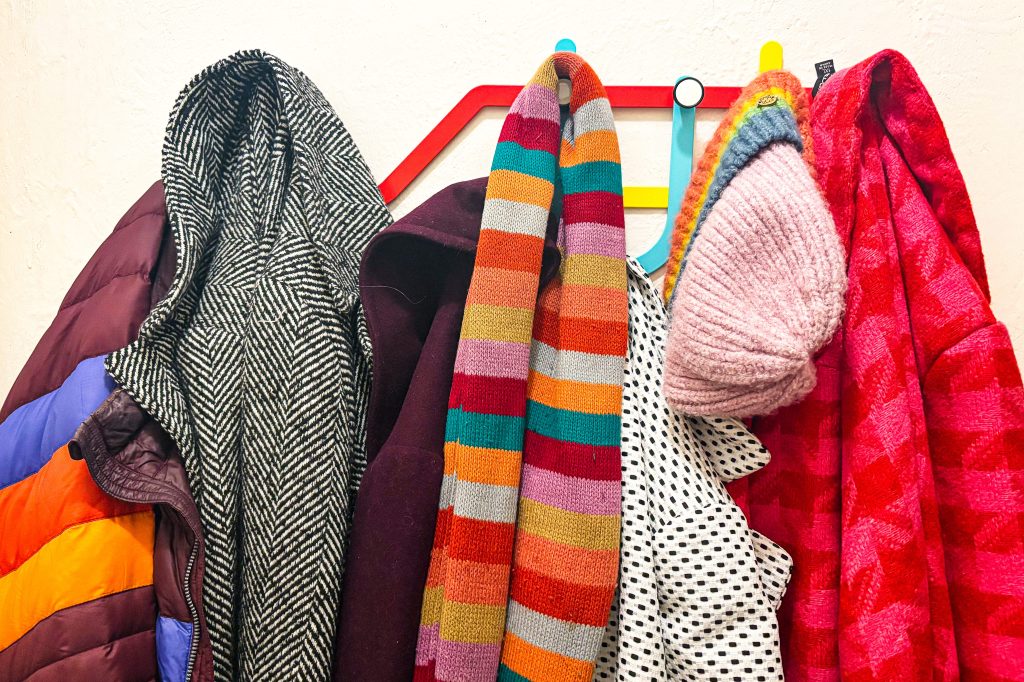
Living in Minnesota, I’ve learned the hard way how to dress for the seasons. In winters where -20°F days are a given, a good coat can be the difference between a comfortable commute and literally freezing my ass off–if you’ve ever sat on a radiator until feeling came back to your buttcheeks, you know the pain!
Bought new, a quality winter coat can cost upwards of $300. But if you know how to shop, you can find thrifted outerwear that will keep you warm in any climate. Like other categories of vintage clothing, jackets and coats were often made with the quality and durability to last—and to keep you warm in style. Read on for five tips on finding the perfect jacket or coat for your closet, plus some specially curated pieces, from vintage leather jackets to cozy and stylish wool coats.
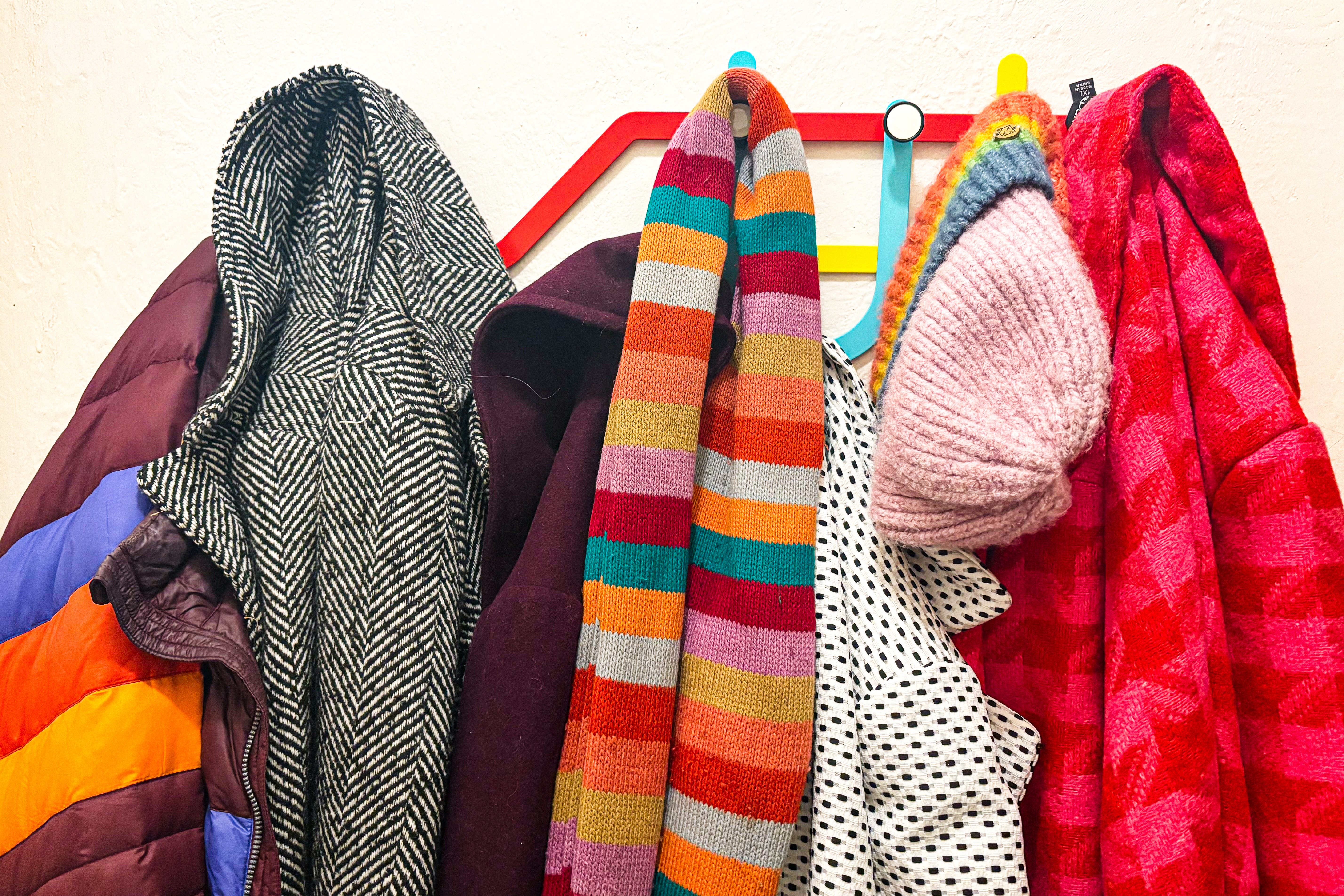
1. Take Your Environment Into Account
Unless you’re a frat boy proving your manhood by donning shorts and flip-flops in 10°-below weather, you know that dressing for the conditions is essential to winter survival. But if winter for you means 50°F days, your needs will be very different from those of someone facing weeks where being outdoors for more than 15 minutes can literally kill you (in Minnesota, we call this January).
No matter how cute it is, don’t choose a wool coat if it’s going to make you overheat rather than keep you pleasantly toasty. Likewise, if you live in the frigid north, don’t kid yourself into thinking that awesome retro leather jacket will get you through the long winter months.
If the weather in your area fluctuates from autumnal chill to arctic blast, you may need multiple jackets and coats to accommodate the range. But if temperatures rarely dip below freezing, investing in one quality coat that keeps you warm on colder days may be enough. Know your needs and shop accordingly, so you have the right piece for the season—rather than a closet bursting with jackets and coats that only work on that one magical day of the year when the thermometer hits just the right number.
2. Know Your Measurements
Sizes vary—especially when you’re shopping vintage—so knowing your measurements is essential to getting the right fit. Keep in mind that you’ll likely be wearing bulkier clothing under your winter coat. Add a few layers before you take out the tape measure.
While wearing all your winter layers, measure your chest, waist, hips, and arm length, as well as the distance from your shoulders to where you’d like the hem to land. If you already own a coat that fits you perfectly, measure it instead: shoulder seam to shoulder seam, pit to pit, sleeve length, and neck to hem. Having these exact measurements will help ensure the best possible fit.
If you’re trying on a coat in a thrift store, head to the sweater section and grab a piece similar to what you’d normally wear, then try the coat on over it. How does it feel? Is it easy to bend and move your arms? Do you have to suck in to button the middle? Or do you feel like you’re swimming in fabric even under three layers? Remember: comfort trumps cute—especially in winter, when you’re just trying to survive the trek to work or school.
3. Familiarize Yourself With Winter Textiles
Unlike the synthetic fibers common in fast fashion, natural materials like wool, camel hair, and leather can withstand not only the elements but also the stress of years of wear. While new clothing made from high-quality materials can be prohibitively expensive, it’s still possible to score a great deal on a vintage coat or jacket that has several winters left in it. When thrifting or shopping vintage, keep an eye out for the following materials.
Wool
Lightweight, warm, and water-resistant, wool is an ideal textile for a durable winter coat that will last for years. Made from natural sheep fibers (or goat for cashmere), wool coats perform especially well in cold, wet environments—making them a smart investment for frigid, snowy climates.
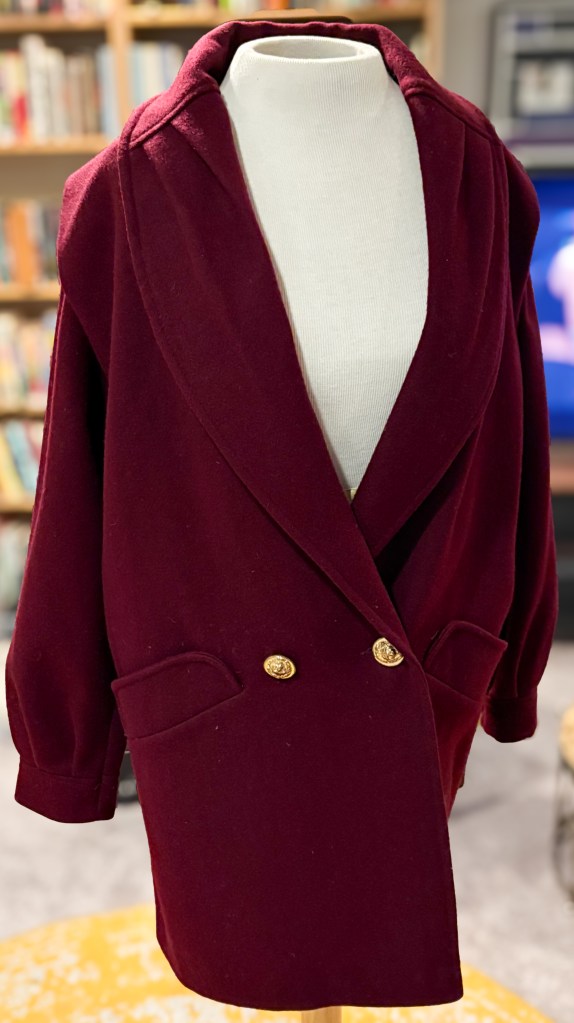
It’s now more common for brands to blend wool with synthetic materials, so be sure to check the label before making a purchase. While a 10–25% polyester blend can add some stretch and durability, coats with a higher synthetic content likely won’t last as long or look as nice over time. When shopping vintage, look for a wool coat with a USA-made tag to find the best quality.
Camel Hair
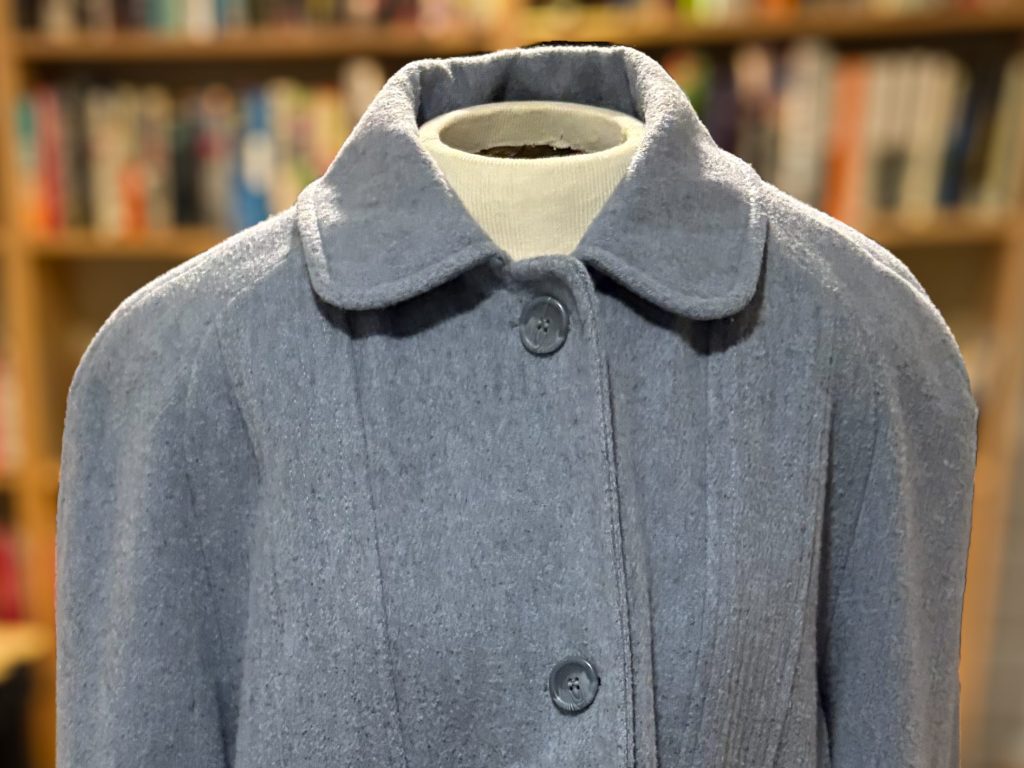
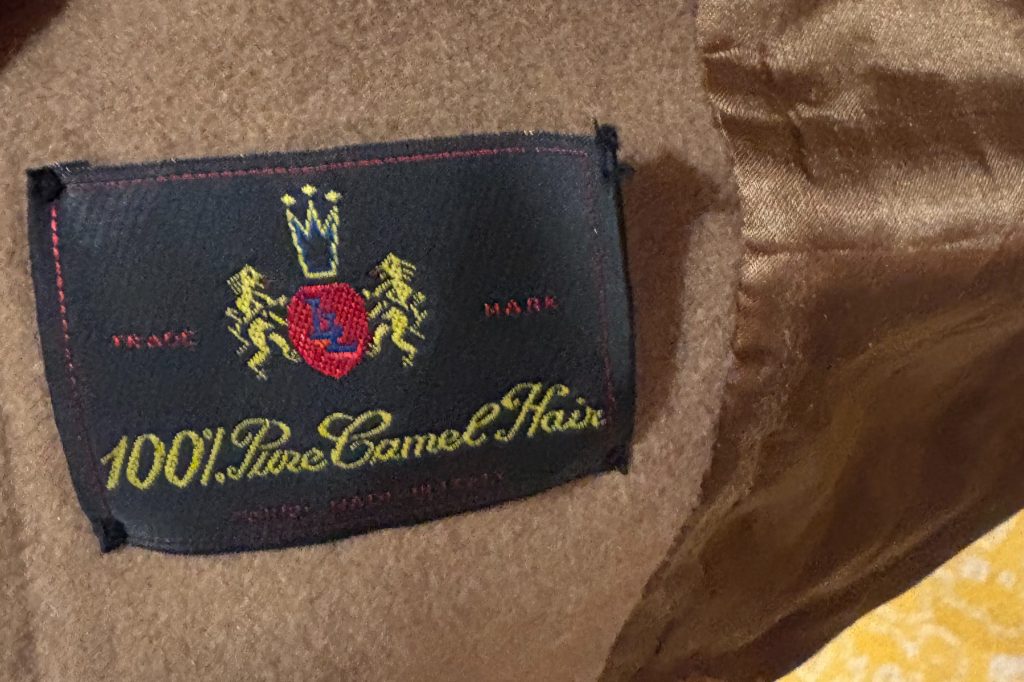
Soft, durable, and naturally insulating, camel hair is an ultra-luxurious material that can withstand both the elements and years of wear. Like sheep’s wool and goat wool (cashmere), camel hair is lightweight yet warm; however, unlike some more delicate fibers, it is resistant to pilling and retains its shape over time.
When purchasing vintage, look for a 100% camel hair certification label to ensure quality.
Fur
Humans have used animal fur to protect themselves from the elements since they first ventured into cold climates. Real fur is luxurious, water-resistant, and exceptionally warm. While harvesting fur for new garments has become taboo, there are plenty of vintage fur pieces that are still highly wearable.
You’ll have to decide for yourself whether you feel comfortable wearing vintage fur, and if you like the look but not the principle, there are many faux-fur options available.

Leather
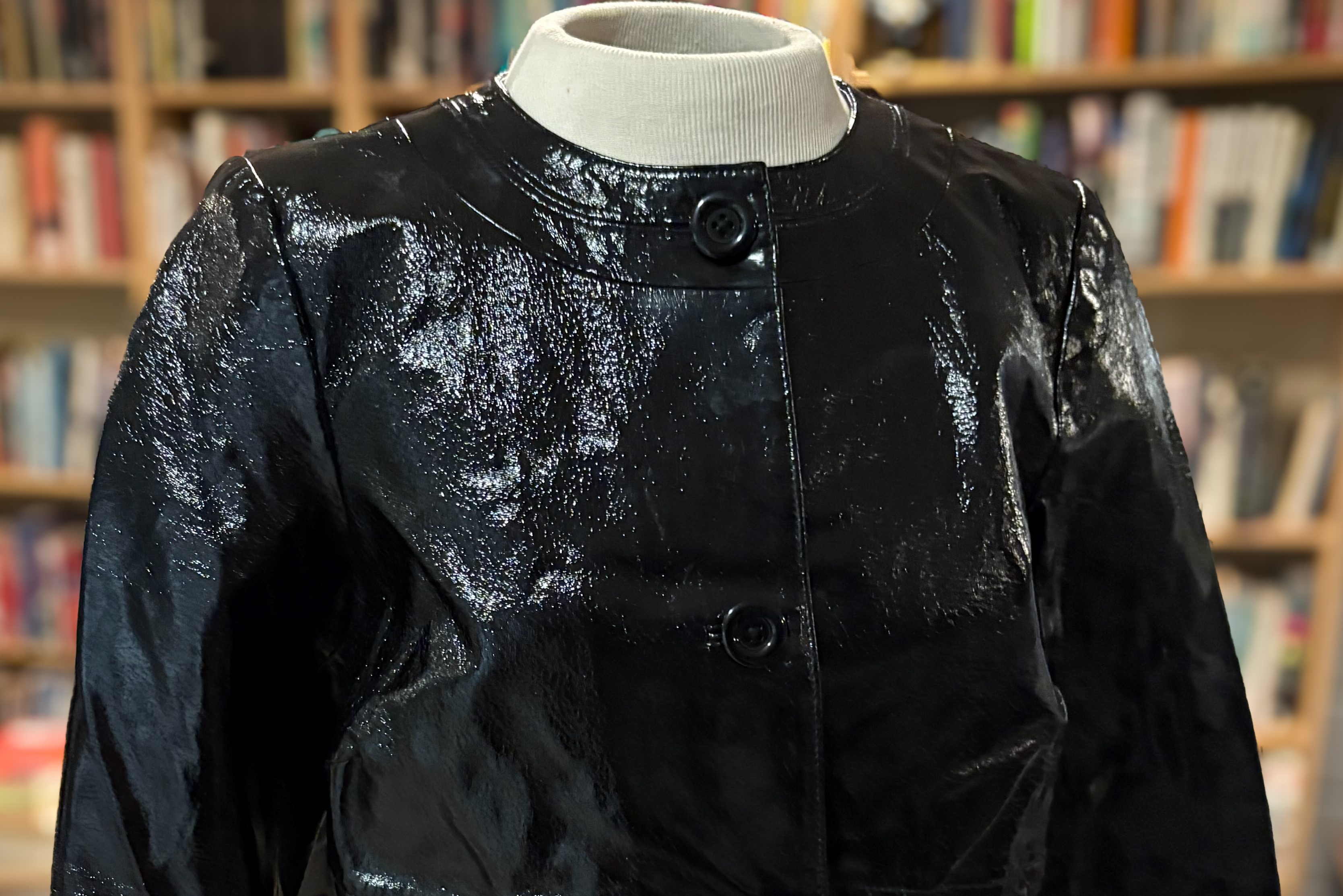
Substantial and breathable, genuine leather is a great material choice for a fall jacket or a light winter coat. Made from cowhide, leather generally comes in four grades: full-grain, top-grain, corrected-grain, and bonded, with full-grain and top-grain being the highest quality.
The beauty of a retro leather jacket is that it develops an aged patina over time—the natural wear is part of its appeal. However, unlike some other materials, leather absorbs water. If you’re looking for a jacket you can wear in rain or snowstorms, consider faux leather instead.
Nylon
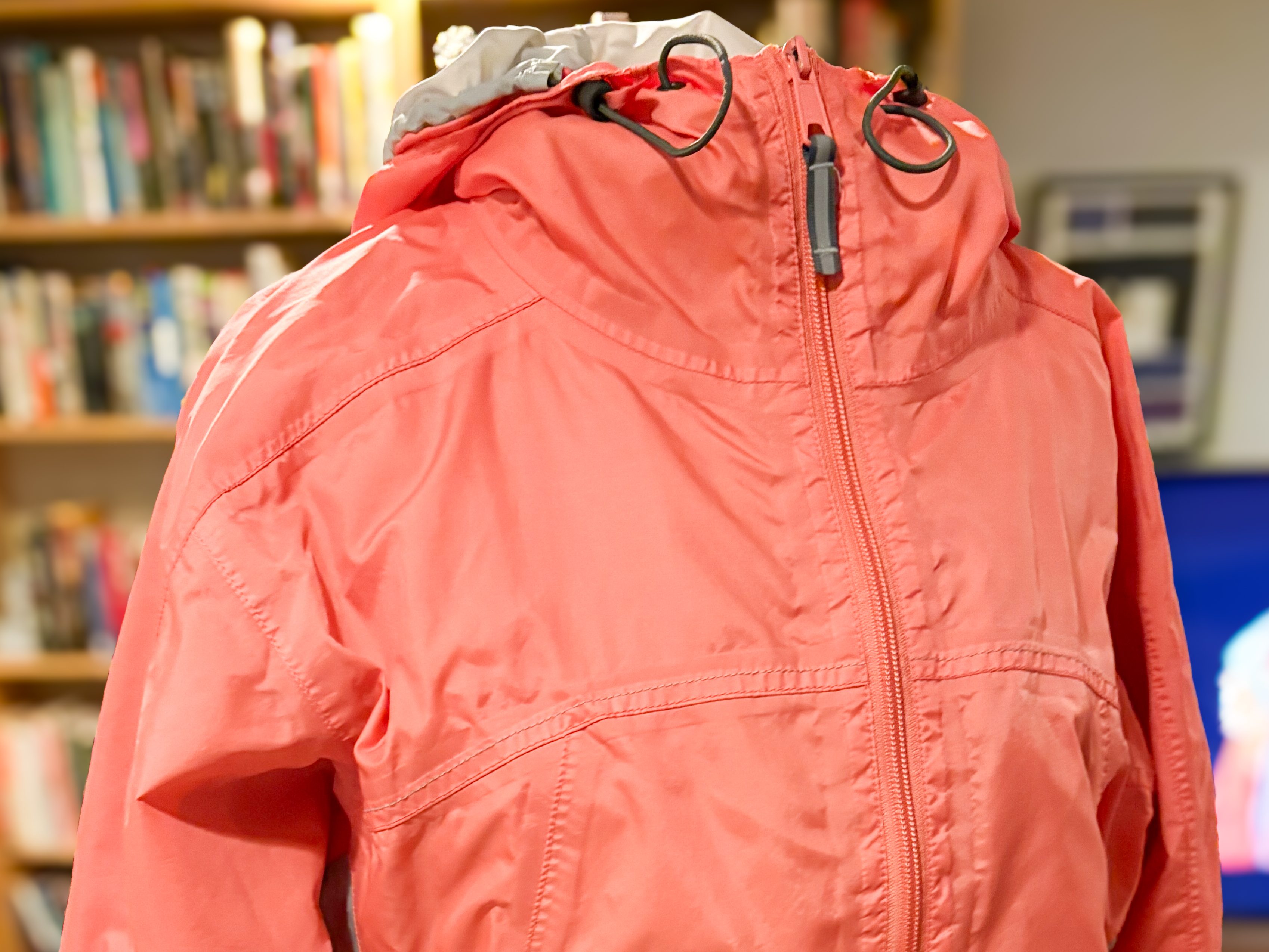
The only synthetic material on this list, nylon is a silk-like plastic that provides excellent water and weather resistance. While it isn’t warm on its own, nylon is often used as a shell for down, fleece, or cotton coats, providing an easy-to-clean surface that prevents water from seeping into warmer, more absorbent materials. Look for a nylon outer layer when buying a parka or an ’80s windbreaker.
4. Always Check for Quality Assurance
Make sure to check the quality of the coat before you make your purchase. Look the shell over for major stains or tears, especially ones that aren’t on a seam. Check the buttons to be sure they’re all there and not hanging by a thread. If you’re willing to do a little light sewing, you can replace missing, broken, or ugly buttons with something snazzy and personal (I’ve had good luck finding fun buttons on Etsy). Tears along the lining seams are usually easy to stitch, but know thyself and be honest about your willingness to mend. Don’t invest in a coat you’ll never get around to fixing well enough to wear.
5. Update Your Outerwear With Accessories
Instead of splurging on twenty coats, invest in a few sets of winter accessories to switch up your look from day to day. Gloves, scarves, and hats require less space and money than a coat, and can easily be swapped to change your aesthetic. Trade accessories with friends at the beginning of the season so everyone gets a fresh look. Adding vintage pins or brooches to your coat that you can swap to match your mood or style is another great way to stay both stylish and warm!
Shop My Closet!
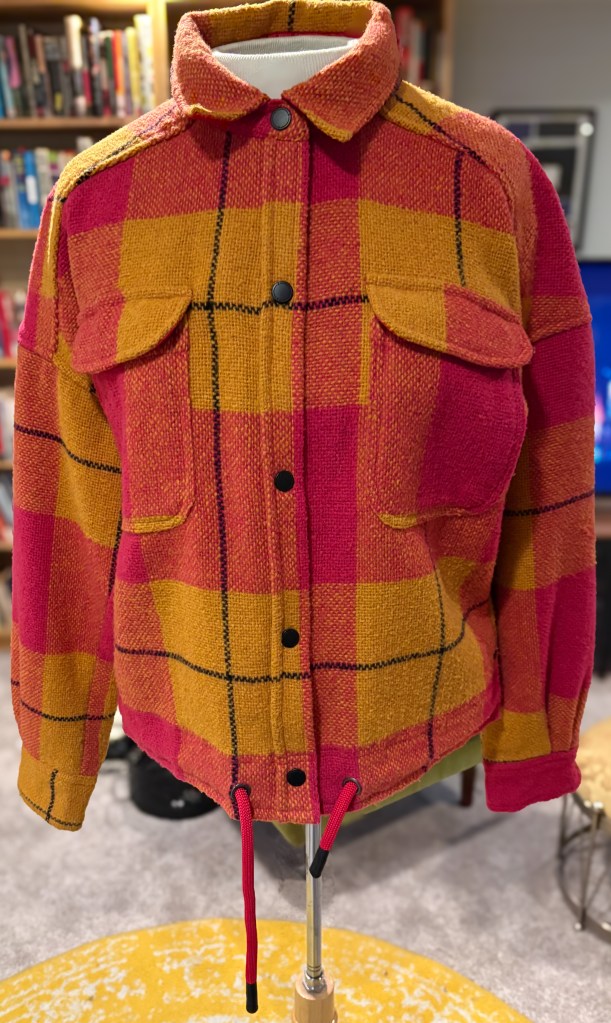
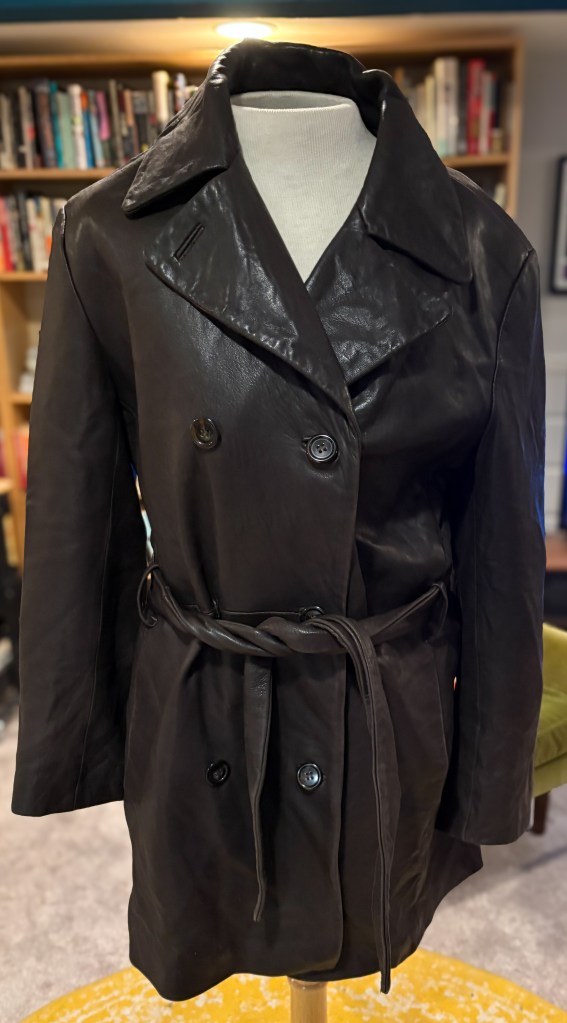
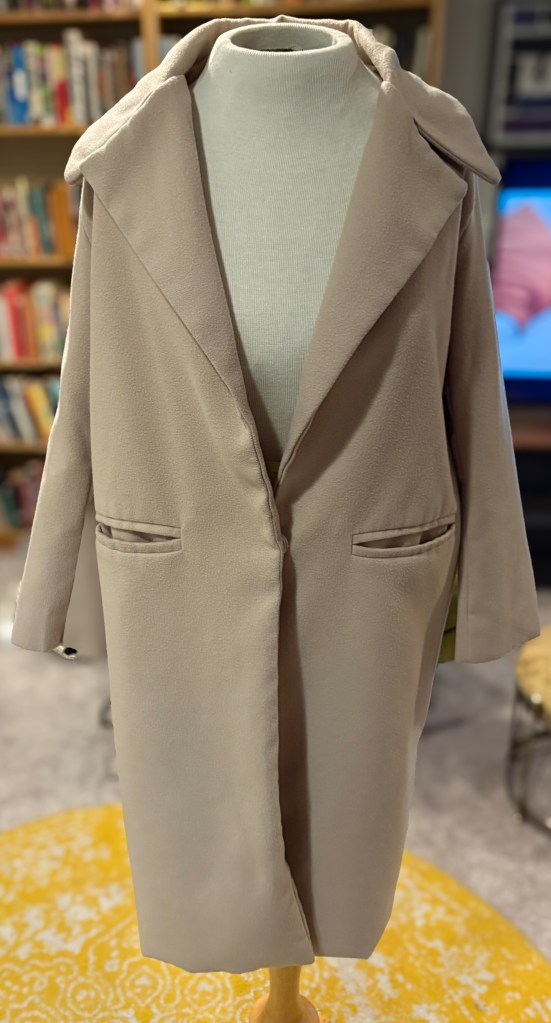
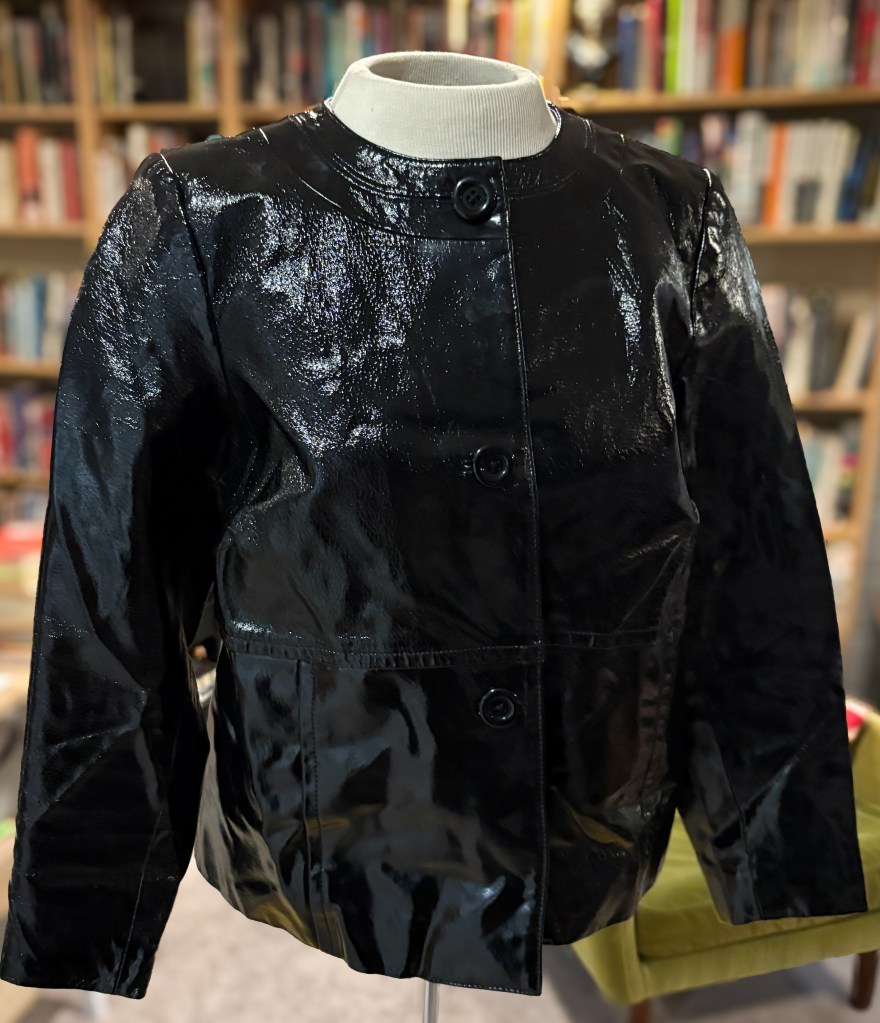
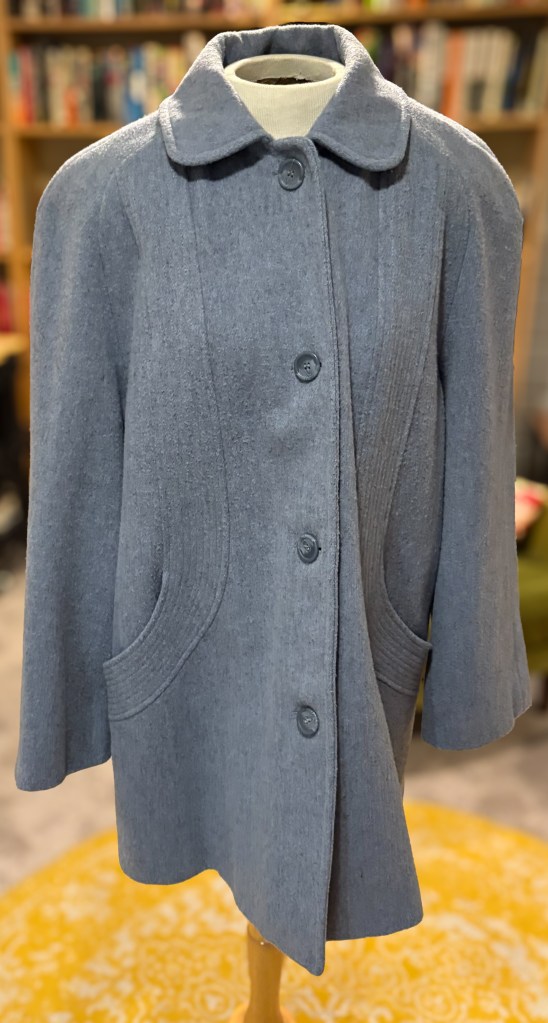
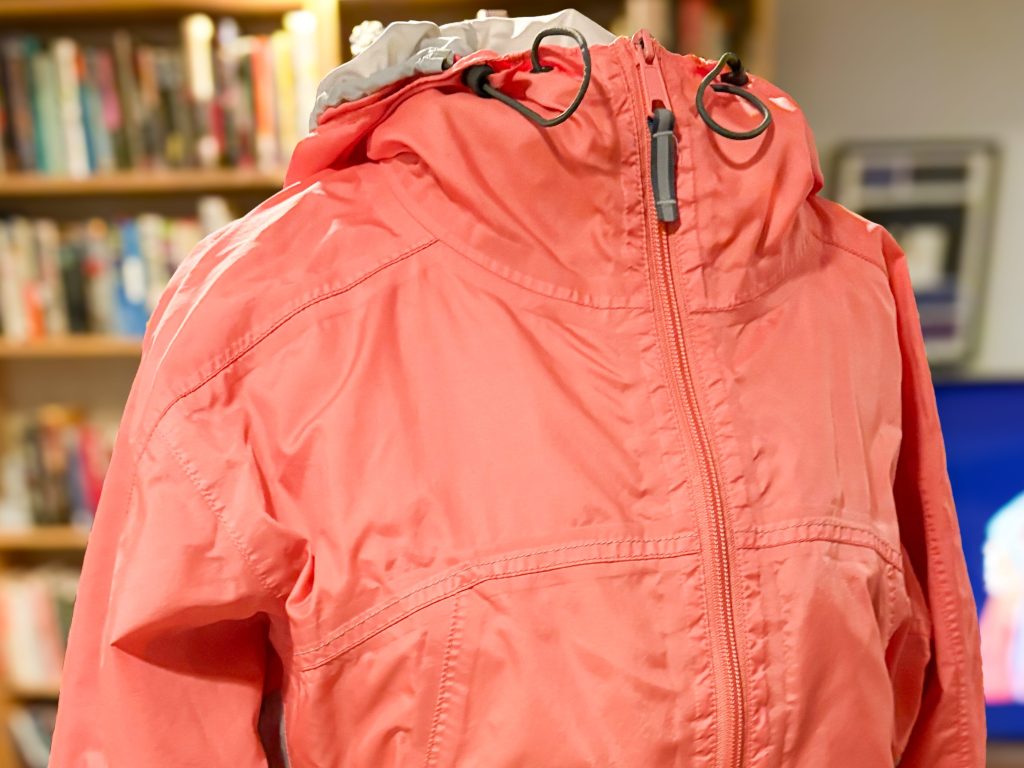
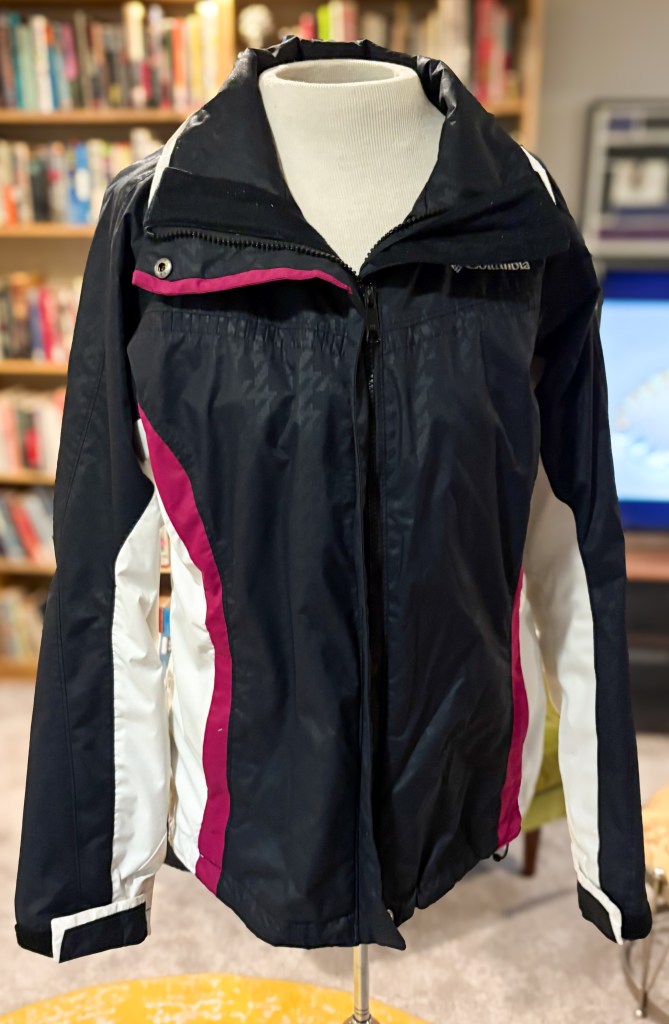
Can’t find what you’re looking for at the thrift store? I’ve sourced several quality winter coats for purchase. Each piece has been washed or professionally dry-cleaned and comes from a smoke-free home. Click through to make a purchase, and feel free to leave a comment with any questions.
 Eimile Thrifts
Leave a comment